


Top questions about breast cancer
The information on this page was reviewed and approved by
This page was updated on January 14, 2022.
What you should know about breast cancer
Breast cancer is the most common type of cancer in American women, with the exception of skin cancer. It accounts for one in three cancers diagnosed in women. Men can develop breast cancer, as well, though it is much less common than in women. If you or a loved one is diagnosed with breast cancer, one of the first things you can do is educate yourself about the disease and available treatment options.
What is breast cancer?
Breast cancer is a common term for a cancerous (malignant) tumor that starts in the cells that line the ducts and/or lobes of the breast. Breast cancer is not one disease; rather it is several diseases that behave differently.
What causes breast cancer?
Breast cancer’s causes are not exactly clear. Studies have identified numerous risk factors for breast cancer in women, including hormonal, lifestyle and environmental factors that may increase the risk of breast cancer. Other factors include:
- Increasing age
- Personal history of breast cancer
- Early menstruation
- Late menopause
- A first pregnancy after age 30 or no prior pregnancies
- Use of oral contraceptives
- Family history of breast cancer
- Presence of certain inherited genetic changes
- History of radiation therapy to the chest
- Long-term use of combined hormone therapy
- Alcohol use
- Obesity after menopause
It's unclear why some people who have no risk factors develop cancer, while others with risk factors never do.
What is inflammatory breast cancer?
Considered a rare disease, inflammatory breast cancer (IBC) typically forms in the soft tissues, blocking lymph vessels in the breast skin. That's why the breast often becomes firm, tender, itchy, red and warm, from the increase in blood flow and a build-up of white blood cells. IBC differs from other forms of breast cancer, especially in symptoms, prognosis and treatment. The term “inflammatory” is not meant to reflect what's happening inside the breast, only in how the breast appears. When an infection or injury causes the breasts to become inflamed, they often become tender, swollen, red and itchy, but the underlying cause is not inflammation.
Can men get breast cancer?
Yes, it’s possible for men to get breast cancer. Anyone with breast tissue is capable of developing breast cancer. However, it’s less common, with about one out of every 100 breast cancer cases in the United States developing in men, according to the Centers for Disease Control and Prevention.
Breast cancer in men is most often a type known as invasive ductal carcinoma (IDC), which begins in one of the breast ducts and spreads to other areas of the breast.
When should I begin screening for breast cancer?
The American Cancer Society (ACS) recommends the following early-detection screenings for women at average risk for breast cancer:
- Optional mammograms beginning at age 40
- Annual mammograms for women ages 45 to 54
- Mammograms every two years for women 55 and older, unless they choose to stick with yearly screenings
- MRIs and mammograms for some women at high risk of breast cancer
The ACS also recommends that women know the benefits and potential harms associated with breast cancer screening, as well as how their breasts normally look and feel and report any changes to their doctor right away.
What type of doctor should I see if I think I have breast cancer?
If you think you have breast cancer, you should talk to your primary care physician or OB/GYN. A number of doctors may play a role in your breast cancer treatment. The following is a list of doctors who may be involved in your care:
- Medical oncologist: A physician who has special training in diagnosing and treating cancer using chemotherapy, hormonal therapy and targeted therapy
- Surgical oncologist: A doctor who uses surgery to diagnose, stage and treat cancer and manage certain cancer-related symptoms, and who may perform biopsies and other surgical procedures such as removing a lump or a breast
- Radiation oncologist: A physician trained in cancer treatment using radiation to shrink tumors and destroy cancer cells
What does breast cancer feel like?
Not everyone experiences breast cancer in the same way. You may not feel any pain or changes in your body. On the other hand, you may feel a new lump or mass around the breast area, which is the most common symptom of breast cancer. Some lumps are hard and don’t cause pain, while others may be uncomfortable. (Keep in mind that not all breast lumps or masses are cancer.) Some people may feel inflammation or swelling around the armpit or breast area, or pain in the breast or nipple.
Does breast cancer hurt?
While breast cancer can sometimes be painful, it doesn’t always cause pain. You may notice discomfort and pain in your breasts and/or nipples, but these symptoms are often be caused by other health conditions, even your monthly menstrual cycle. Sudden pain is also associated with some benign breast conditions, such as mastitis and cysts.
Visually examine and touch your breasts regularly, noting changes in how they appear or feel. If you notice that an area on or near your breast stays painful or seems unusual, see your doctor for answers.
Questions about breast cancer treatment
Treatment options for breast cancer depend on many factors, including the type and stage of the disease. Here are the answers to some common questions about breast cancer treatment:
What treatment options are typically available?
Breast cancer treatments have two main goals: to destroy as much of the cancer as possible, and to prevent tumors from returning.
Some treatments remove or destroy the disease within the breast and nearby tissues, such as lymph nodes. These treatments include:
Surgery: Surgical options include a mastectomy, which removes the whole breast, and a lumpectomy, or breast-conserving surgery that removes only the tumor and the tissues around it. Sentinel node biopsy is a surgical diagnostic technique that removes one or a few of the first draining lymph nodes (glands under the arm) to determine whether cancer cells have spread beyond the breast. Women who have surgery as part of their breast cancer treatment may choose oncoplastic and breast reconstruction surgery to rebuild the shape and look of the breast.
Radiation therapy: This conventional technique uses targeted, high-energy radioactive waves to destroy tumors.
Because these treatments often affect the lymph nodes, lymphedema is a common treatment-related side effect for breast cancer patients who receive surgery or radiation therapy. Lymphedema is the buildup of lymphatic fluid under the skin, which often leads to swelling.
The goal of other treatments is to destroy or control cancer cells all over the body. These include:
- Chemotherapy, which delivers anti-cancer drugs throughout the body to kill cancer cells
- Hormone therapy, which uses drugs to prevent hormones from fueling the growth of breast cancer cells
- Targeted therapy, which prompts the body's immune system to destroy cancer
Your doctor may recommend chemotherapy, hormone therapy or targeted therapy treatment along with surgery or radiation in order to kill cancer cells that were left behind by other treatments.
What are the possible side effects of each treatment option?
Breast cancer treatments may cause temporary side effects that go away soon after treatment is completed, as well as longer-term side effects that last months or years. Below is a list of the side effects associated with each treatment option.
Surgery: Surgical procedures for breast cancer may cause short-term pain or discomfort in the treated area. Also, the muscles of the arm may feel weak, and the skin in the breast area may feel tight. Surgery involving the lymph nodes may also cause swelling in the arm, a condition known as lymphedema.
Radiation therapy: Many breast cancer patients who undergo radiation therapy experience skin irritation and breast pain. These conditions usually begin within a few weeks of starting treatment and go away on their own within six months after treatment ends. For some patients, however, these symptoms may not develop until several months or years after treatment. Another common radiation-related side effect is fatigue, especially in the later weeks of treatment and for some time afterward.
Chemotherapy: Certain chemotherapy drugs may cause potential side effects like nausea, vomiting, fatigue, nerve damage, sore mouth, diarrhea, constipation and decreased blood counts.
Hormone therapy: Some hormone therapies for breast cancer may cause a wide range of side effects, such as hot flashes; vaginal discharge, dryness and irritation; irregular periods; decreased sex drive; and mood changes. Aromatase inhibitors may also cause joint and muscle pain, as well as an increased risk of bone thinning (osteoporosis).
Targeted therapy: Side effects for HER2-positive targeted therapy drugs are typically mild, but serious side effects are possible and may include nausea, vomiting, diarrhea, fatigue, mouth sores and rashes.
How can I manage treatment-related side effects?
The side effects of breast cancer treatment may be managed with evidence-informed therapies. The idea is to help you maintain your strength and stamina, so you are better able to stay on your treatment regimens without interruption. Naturopathic support, nutrition therapy, pain management and oncology rehabilitation are some examples of supportive therapies that may help breast cancer patients reduce the impact of cancer treatment side effects.
How quickly do I need to make a decision about breast cancer treatment?
Treatment for breast cancer generally should start soon after diagnosis, but in most cases, it won’t hurt to wait a few weeks to begin treatment. Even more important than beginning treatment immediately is to understand and evaluate all your treatment options with your care team and loved ones, and then decide what’s best for you.
What if I don’t want cancer treatment?
No treatment is without some sort of risk. A decision to decline treatment has its own risks, too. Breast cancer patients may refuse their doctors’ treatment recommendations in whole or in part. Palliative care, designed to help control severe side effects such as pain, nausea or other symptoms, may help you manage your quality of life in the meantime.
Will my breast cancer treatment affect my ability to have a baby?
Women of childbearing age who are being treated for breast cancer may be concerned about the impact on their ability to conceive a child in the future. Treatments such as chemotherapy, radiation therapy or a combination of the two may affect fertility.
Chemotherapy may affect the functioning of the ovaries, reducing the number or quality of eggs. These anti-cancer drugs may also cause infertility in women who haven’t started menopause (pre-menopausal). The likelihood of infertility may depend on the type of chemotherapy drugs used, the dose given and your age.
Radiation therapy kills cancer cells by stopping or reducing their growth and division. Because radiation sometimes passes through healthy tissues, organs near the cancer site may be affected, potentially causing temporary or permanent infertility, especially if the radiation was delivered directly to the pelvic region.
You may want to consider your options for preserving fertility before starting treatment and discuss your questions and concerns with your oncologist.
Questions to ask your medical oncologist
Asking questions of your oncologist may help you make more informed decisions about your breast cancer treatment. Open communication between patient and doctor is extremely important. Here are the answers to some common questions breast cancer patients should ask:
What type of breast cancer do I have?
The most common types of breast cancer are:
Invasive lobular carcinoma: This disease, accounting for one in 10 breast cancers, begins in the lobules, or the glands of the breast that make milk.
Invasive ductal carcinoma: This cancer, accounting for about eight in 10 breast cancers, begins in the breast’s milk ducts, the thin tubes that carry milk from the lobules to the nipple.
Is my cancer invasive or noninvasive?
A tumor is an abnormal growth that may be benign or malignant. Benign breast tumors are not life-threatening and do not spread to other parts of the body. Malignant breast tumors are cancers that impact your health and may spread to other parts of the body. A malignant tumor that grows into surrounding tissue is considered invasive. Invasive tumors are more likely to spread to other parts of the body than non-invasive tumors. Non-invasive breast cancer cells remain in a particular area of the breast without spreading to surrounding tissue, lobules or ducts.
What stage is my cancer and what does it mean?
Breast cancer staging is a way to describe the severity or extent of your cancer. Knowing the cancer stage will help your care team recommend a personalized treatment plan specific to your disease. Breast cancer diagnosed as stage 1 or stage 2 is considered early stage, while stages 3 and 4 are considered advanced.
What size is my tumor and why does that matter?
Treatment options for breast cancer partly depend on how small or large your tumor is, if the cancer has spread to the lymph nodes and if the cancer is found in other parts of your body. The larger the tumor, the more likely it is that the breast cancer is lymph node-positive, meaning the axillary lymph nodes contain cancer. Sentinel node biopsy is the most common way to determine whether cancer cells have spread beyond the breast.
How much experience do you have treating my type and stage of breast cancer?
Oncologists who are experienced in not only treating breast cancer but in your specific type of breast cancer are typically better equipped to explain and deliver the full range of treatment options. You should feel comfortable asking your doctor about his or her experience. Doctors and the hospitals they may work for are not required by law to publish the survival rates of the patients they treat, but some choose to do so. Others may be willing to provide these statistics upon request.
Should I get a second opinion?
A second opinion may confirm your original diagnosis and treatment plan, provide more details about the type and stage of your breast cancer, raise additional treatment options not considered, or lead to a recommendation for a different course of action. A second opinion may also help you feel more confident in your treatment decisions and help you find a doctor you feel comfortable with.
Has the cancer spread to my lymph nodes or other organs?
Cancer may spread from the site where it originated to other parts of the body. When cancer cells move away from a tumor, they may travel through the bloodstream to distant organs. If they travel through the lymph system, the cancer cells may end up in lymph nodes. The lymph nodes in the underarm are the first-place breast cancer is most likely to spread. Your doctor may perform a biopsy to check for the presence of cancer cells. The sample is examined by a pathologist who checks the nodes under a microscope. That exam determines lymph node status.
The spread of cancer to another part of the body is called metastasis. If breast cancer has metastasized to other areas of the body, it is categorized as stage 4 breast cancer. Typically, breast cancer metastasizes primarily to the lungs, liver, brain, regional lymph nodes and bone.
Were HER2 tests performed on my tissue sample?
HER2 (which stands for human epidermal growth factor receptor 2) is a type of growth signal receptor, or antenna that may be present on your breast cancer cells. About 25 percent of breast cancers are HER2-positive, meaning the cancer cells make too much of a protein called HER2/neu, which indicates that the cancer may be more aggressive. If your cancer is HER2-positive, this helps doctors better predict whether the cancer may respond to certain targeted therapies.
Should I consider participating in a clinical trial?
Breast cancer treatment has improved tremendously over the years, thanks to advances made possible because of patients who have been willing to participate in studies exploring treatment options, drug protocols or other approaches before they can be granted federal approval. These clinical trials may offer participants new treatment options that may have otherwise been unavailable to them, especially after exhausting conventional treatments. If you qualify for such a trial, ask your doctor about any concerns or questions you may have about participating, so that you may determine if it’s a good fit for you.
Should I consider genetic testing?
Genetic testing may help determine if your cancer resulted from an inherited gene mutation. Genetic counseling may help you understand the risks, benefits and limitations of genetic testing in certain situations. A genetic counselor, doctor or other health care professional trained in genetics may help you and your family understand your test results and other findings, such as a genetic risk factor for another disease like diabetes or heart conditions.
Questions for your breast cancer surgeon
Asking questions of your breast cancer surgeon may help you make more informed decisions about your care plan. Here are answers to some common questions breast cancer patients should ask their surgeons:
What are the different options for surgery?
- Surgery is the most common treatment for breast cancer. Procedures may include:
- Mastectomy: This surgery removes one or both breasts, including the breast tissue, nipple, areola and skin.
- Lumpectomy: Also known as breast-conserving surgery, this operation removes only the cancerous breast tissue while leaving as much healthy tissue as possible. A lumpectomy is not an option for every breast cancer patient.
- Sentinel node biopsy: This is the removal of one or a few of the first draining lymph nodes (glands under the arm) to determine whether cancer cells have spread beyond the breast.
- Oncoplastic and breast reconstruction surgery: This reconstructive technique reshapes the breast and also may be used to prevent scarring and deformation of the breast.
Which surgical option do you recommend? Why?
To determine which surgical approach may address your needs and treatment goals, your surgical oncologist may rely on information from the radiologist, who reads imaging tests; the pathologist, who interprets the biopsy results; the radiation oncologist, who works with the surgeon to plan radiation treatment either during or immediately after surgery; and the medical oncologist, to predict how preoperative drug treatment may help reduce the size of the tumor. Depending on the biology and genetics of the tumor, your care team may recommend chemotherapy before or after surgery.
What are the potential side effects of breast cancer surgery?
Surgical procedures for breast cancer may cause short-term pain or discomfort in the treated area. Also, the muscles of the arm may feel weak, and the skin in the breast area may feel tight. Surgery involving the lymph nodes may also cause swelling in the arm, a condition known as lymphedema.
How long will I be in the hospital?
If a lumpectomy is performed, patients typically leave the hospital the same day as the surgery. In the case of a mastectomy, patients are more likely to stay in the hospital overnight.
Will my breast(s) look or feel differently after surgery?
After a lumpectomy, or breast-sparing surgery, your breast may look much like it did before the operation. But if the tumor was large, your breast may look different or smaller. You will likely develop a scar at the site of the lumpectomy. You may also likely develop numbness along the scar.
If lymph nodes in the underarm area are removed during surgery, you may experience some numbness in your arm. As your body continues to adjust to the effects of surgery, you may develop phantom sensations or phantom pain in the breast that has been removed. Those pains are more likely to develop if you experienced breast pain before your mastectomy.
After reconstructive surgery, you will have a breast-like shape, but your breast will likely not look or feel like it did before your mastectomy. You will have scars where the surgeon attached skin to make the new breast-like shape. If you have tissue flap reconstruction, you will have scars around the new breast and the area where the surgeon removed the muscle, fat and skin transferred for the reconstruction. Although surgery leaves scars, some may fade somewhat over time.
What is breast reconstruction?
Breast reconstruction may help restore the look and feel of the breast after a mastectomy. Many women who have had a breast removed opt for breast reconstruction—in some limited cases, at the same time as the mastectomy, but more often after the mastectomy procedure. With immediate reconstruction, a surgeon performs the first stage to rebuild the breast during the same operation as the mastectomy. A method called skin-sparing mastectomy may be used to save enough breast skin to cover the reconstruction.
Breasts may be rebuilt using saline implants or autologous tissue (the patient’s own tissue from elsewhere in the body). Most breast reconstructions performed today use breast implants. For some reconstructions, more than one surgery may be needed.
Mastectomy with reconstruction done on the same day is an option for many women, but the best approach for an individual should be determined through a discussion of various options between the patient and her surgeon.
The decision to have reconstruction is a personal one. Some women choose not to have reconstruction. Others believe it helps their appearance and recovery.
After my breast cancer surgery, will I need radiation or chemotherapy or both?
The stage of breast cancer helps determine which treatment regimen your oncologist will recommend. After breast-sparing surgery, radiation treatments may be used to help destroy remaining breast cancer cells. Radiation therapy for breast cancer is typically given after surgery to lower the chance of a cancer recurrence. Adjuvant breast cancer chemotherapy may be used after surgery to destroy remaining cancer cells not killed during surgery.
Questions for your radiation oncologist
What is radiation therapy?
Radiation therapy uses targeted energy like X-rays to kill cancer cells. If a breast tumor is large or not easily removed by surgery, radiation therapy before surgery may be recommended to help shrink the tumor. When used for breast cancer treatment, radiation is delivered to the affected breast and, in some cases, to the lymph nodes under the arm or at the collarbone.
Radiation therapy is delivered in two main ways:
External beam radiation: This standard type of radiation therapy directs high-energy beams from a machine outside the body to cancerous cells within the body. Intensity modulated radiation therapy (IMRT), intraoperative radiation therapy (IGRT), TomoTherapy® and stereotactic radiosurgery are all forms of radiation therapy.
What is the goal of this treatment?
Radiation therapy for breast cancer is typically given after a lumpectomy and sometimes after a mastectomy to decrease the risk of local cancer recurrence. The treatments typically start several weeks after surgery so the area has time to heal. Radiation therapy may be used:
- As a primary treatment to destroy cancer cells
- Before another treatment to shrink a tumor
- After another treatment to stop the growth of any remaining cancer cells
- In combination with other treatments to stop cancer cell growth
- To relieve symptoms of advanced cancer
- How often will I receive radiation therapy?
Typical courses of radiation treatment are administered five times a week for about six weeks, though the total duration depends on a number of factors including the patient’s general health and medical history and the risk of cancer recurrence.
What are the potential side effects of this treatment?
Many people who undergo radiation therapy for breast cancer have some breast pain and skin irritation. The affected skin may eventually become red and swollen like a sunburn. These conditions typically begin within a few weeks of starting treatment and go away on their own within six months after treatment ends. For some patients, these symptoms may not occur until several months or years after treatment. Other common side effects include fatigue, especially in the later weeks of treatment and for some time afterward, and firmness or shrinkage of the breast. Women who have had radiation therapy to the lymph nodes in the underarm area may develop lymphedema, a condition in which fluid collects in the arm, causing it to swell.
How can I ease the side effects?
Your care team may offer various supportive care techniques to help ease the side effects associated with radiation therapy for breast cancer. Pain management and oncology rehabilitation may help with skin pain and soreness and lymphedema management. Naturopathic support, nutrition therapy, oncology rehabilitation and mind-body medicine may help relieve fatigue.
What is the difference between radiation and chemotherapy?
Chemotherapy involves medications delivered by injections or taken in pill form. This type of treatment is circulated throughout the entire body and is generally prescribed by a medical oncologist. Radiation therapy, delivered by a radiation oncologist, uses radiotherapy beams focused on a very specific area of the body in order to deliver high doses of the treatment while reducing the risk of radiation exposure to healthy tissue.


 What you need to know about drugs
 Information about Xeloda
 Meet, Cisplatin
 Cisplatin And Its Impact On Female Fertility
 New Medicine for Breast Cancer?
 Phyto-Chemistry, Magic Components!
 Xeloda for positive HER2 breast cancer patients
 PGV-0 Inhibits Breast Cancer Cells
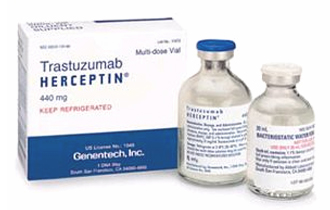 How big is the hope of breast cancer sufferers?
 Trastuzumab Overcomes Breast Cancer
 News from Breast Cancer Res and Treat 2001
 The new drug's name is AVASTIN
 Drug Revolution Named STI571
 Herceptin, what's so strange about it?
 Me and Tamoxifen
 The combination of Tamoxifen and Seroxat causes death