Many people with cancer are interested in trying anything that may help them, including complementary and alternative cancer treatments. If cancer makes you feel as if you have little control over your health, alternative cancer treatments may offer some feeling of control. But many alternative cancer treatments are unproved and some may even be dangerous.
To help you sort out the good from the bad, here are 10 alternative cancer treatments that are generally safe. Plus, there is growing evidence that these 10 alternative cancer treatments may provide some benefit.
How can alternative medicine help people with cancer?
Alternative cancer treatments may not play a direct role in curing your cancer, but they may help you cope with signs and symptoms caused by cancer and cancer treatments. Common signs and symptoms such as anxiety, fatigue, nausea and vomiting, pain, difficulty sleeping, and stress may be lessened by alternative treatments.
Integrating the best of evidence-based complementary and alternative cancer treatments with the treatments you receive from your doctor may help relieve many of the symptoms associated with cancer and its treatment. Discuss all of your options with your doctor and together you can determine which strategies might work for you and which are likely to have no benefit.
Work closely with your doctor to determine the right balance between traditional medicines and alternative cancer treatments. While complementary and alternative cancer treatments, such as acupuncture, may reduce nausea or pain, they generally aren't powerful enough to replace cancer medications from your doctor. Read more
The most deadly aspect of cancer is its ability to spread, or metastasize. Cancer cells initially group together to form a primary tumor. Once the tumor is formed, cells may begin to break off from this tumor and travel to other parts of the body. This process is metastasis. These cancer cells that travel through the body are capable of establishing new tumors in locations remote from the site of the original disease. Metastasis is a very complicated process that still has yet to be completely understood.
To metastasize, a cancer cell must break away from its tumor, invade either the circulatory or lymph system, which will carry it to a new location, and establish itself in the new site. The body has many safeguards to prevent cells from doing this, yet many cancer cells have the ability to overcome these safeguards. Research is now focused on understanding in what ways cancer cells have mutated to circumvent the body's defenses and freely travel to other locations.
When cancer is diagnosed, it may be discovered in a site that is not the location of the primary tumor. Through various means of testing, doctors will locate the primary tumor, and determine to what extent it has spread from that location to other areas of the body. Localized tumors that have not had the opportunity or time to metastasize have the best prognosis for cure. Cancers which have metastasized usually indicate a later stage disease, and treatment becomes more complicated, with poorer outcomes. In late stages, patients with oral cancer for example, may succumb to a cancer in the lungs or the brain, which was not the location of the original, primary tumor.
Metastasis most commonly occurs by way of the bloodstream or the lymphatic system. Just like normal cells, cancer cells must have a blood supply in order to function. They have access to the bloodstream just as healthy cells do. This access allows detached malignant cells from the tumor to enter the bodies' general bloodstream. Once in the bloodstream, the cancer cells now have access to every portion of the body. The lymphatic system has its own channels throughout the body like the circulatory system, through which a malignant cell can travel. When surgeons remove a tumor, they may also remove nearby portions of the lymph system including the lymph nodes, as these are frequently the first sites of the cancers' metastasis. Once metastasis to the lymphatic system has occurred, the prognosis for cure drops significantly.
To begin the process of metastasis, a malignant cell must first break away from the cancerous tumor. In normal tissue, cells adhere both to one another and to a mesh of protein filling the space between them. This protein mesh is known as the extracellular matrix. This attachment between the cells and the extracellular matrix is particularly characteristic of the epithelia, which are the cell layers that form the skin and the lining of the mouth, stomach, lungs, and other organs. For a malignant cell to separate, it must break away, not only from the cells around it, but also from the extracellular matrix. Cells are held together with cell-to-cell adhesion molecules. This adhesion also allows interactions between numerous proteins on the cell surface. In cancer cells, the adhesion molecules seem to be missing or are compromised.
Cadherins, a family of intercellular adhesion protein molecules, play a big part in keeping cells together. One subtype in this family, E-cadherin, is the adhesion molecule found in mammalian cells. This molecule seems to be the important factor in cell-cell adhesion. In cancer cells, E-cadherin is either partly or entirely missing. This allows cancer cells to detach from each other, and from the matrix which holds everything in place. Clinical studies involving the manipulation of E-cadherin, have proven that this molecule is important to stopping metastasis. One study has shown that blocking E-cadherin in cancer cells turns them from noninvasive to invasive. This work established the importance of cell adhesion.
These studies revealed cell adhesion's ability to inhibit a cancer cell's capacity to invade, by keeping it bound to other cells. If cell adhesion is compromised, cancer cells have the opportunity to metastasize and invade other areas of the body. Relating to oral cancer, research has shown that saliva provides a good environment for metastasis. Saliva is rich in naturally occurring hyaluronic acid (HA), a molecule that binds to the surface of a cell, making it easier for the cell to move around. This helps the cell escape adhesion to other cells and allows it to move more freely.
Besides binding to each other, cells also adhere to the extracellular matrix. The matrix is composed of connective tissue proteins such as collagen and elastin which interact to form highly insoluble materials. The extracellular matrix not only binds cells together, it also allows cells to survive and proliferate. Research has shown that cells have anchorage dependence. This means that a cell cannot reproduce unless it is attached to a surface. This attachment is made possible through cell surface molecules called integrins, which bind to the extracellular matrix. Only after the cell has attached to a surface will it begin its reproductive cycle. Unattached cells neither reproduce, nor grow. A nuclear protein called E-CDK2 regulates the growth and division of cells. If a cell is not attached to anything, inhibitory substances in the nuclei shut down E-CDK2, and the cell stops growing. Many cells that cannot find anchorage, not only stop reproducing and growing, but they also begin apoptosis, or programmed cell death.
The halting of growth and reproduction of unattached cells is one of the body's safeguards to maintain the integrity of tissues. Normal cells have specific places in which they must stay in order to survive. However, cancer cells are able to exist without being anchored. Their E-CDK2 protein remains active and allows the cancer cells to grow and reproduce. The reason E-CDK2 remains active is unknown, but researchers think that oncogenes may be responsible. Oncogenes are mutated versions of proto-oncogenes, which are present in healthy cells, and are capable of turning normal cells into malignant cells. It is possible that in cancer cells, proteins made by oncogenes may convey a false message that the cell is attached when it is not. This allows the cancer cell to continue to grow and reproduce when it should be engaging in apoptosis, or programmed cell death.
Once a cancer cell has detached from other cells and the extracellular matrix, it must make its way into a blood or lymphatic circulatory system to transport itself. A common way for transport is the bloodstream, since blood vessels are often nearby. Tumors are capable of creating new blood vessels (angiogenesis) because of their need for nutrition, and this gives cancer cells ample opportunity for transport. Entry to the blood vessel requires penetration of the basement membrane. The basement membrane is a thin layer of specialized extracellular matrix. Basement membranes surround blood vessels but they are also present with epithelial cells. Epithelial cells which are the most common sources of cancer, have a basement membrane separating them from the rest of the body. With cancerous tumors that develop in epithelial cells, a cancer cell must penetrate two basement membranes, the epithelial and blood vessel, for transport. To breach the basement membrane cancer cells release enzymes called metalloproteinases(MMPs). These enzymes dissolve basement membranes and other extracellular matrices, allowing penetration of the basement membrane of blood vessels, giving the cancer cells access to other parts of the body.
Once in the bloodstream, the cancer cell must fight the body's defenses and try to reattach itself in a new location. Fewer than 1 in 10,000 cancer cells survive circulation to create a new tumor. The circulation of the blood plays a significant role in determining where cancer cells travel. The cancer cells usually get trapped in the first set of capillaries they encounter downstream from their point of entry. Frequently these capillaries are in the lungs, since returning deoxygenated venous blood leaving many organs is returned to the lungs for reoxigenation. From the intestines, the blood goes to the liver first, so cancer cells leaving the intestines will go there. The lungs and the liver are the two most common sites for metastasis in the human body. Once in a new site, the cells must again penetrate the basement membrane of the blood vessel and establish itself in the new tissue.
In the primary tumor itself, only certain cancer cells can metastasize. Not all cancer cells have the tools to survive the journey to another area of the body. Many circulating cancer cells die because they are not equipped for the entire process of metastasis. Properties in the tumor itself, such as deformability, aggregation, and expression of adhesive molecules, prevent cancer tumor cells from surviving detachment from the tumor. The host also has weapons, such as blood turbulence, platelets, T cells, natural killer cells, and macrophages, that kill circulating cancer cells. Tumor cells that reach their destination may not be able to respond to specific organ factors, and this will kill the tumor cells as well. A study done on mice found that less than .1% of injected B16 melanoma (a malignant tumor) cells survived to metastasize. This small survival rate encourages the idea that a selective growth of unique subpopulations of tumor cells, endowed with special properties, exists. These cells have the tools needed to complete the process of metastasis successfully, while most of the cancer cells die at some point in the journey. In studies, these cells have been identified and isolated, proving that not all cancer cells have metastatic capabilities.
There are also studies that have led to the conclusion that certain tumors only produce metastasis to specific organs. The studies have shown that even though cancer cells may reach all organs in the body, they only have an affinity for certain organs. It is only when the cells reach those specific organs that they anchor and reproduce. Ivan Stamenkovic of Harvard Medical School supported this theory when he was able to direct the metastatic spread of tumor cells by inserting a certain adhesion molecule into a mouse's liver. The tumor cells homed in on the liver because of the inserted molecules. The inserted adhesion molecules had the right markers that tumor cells were looking to bind to. This and many other experiments show that both the tumor cells and the host tissue determine the ultimate site of metastasis.
Cancer is a class of diseases characterized by out-of-control cell growth. There are over 100 different types of cancer, and each is classified by the type of cell that is initially affected.
Cancer harms the body when damaged cells divide uncontrollably to form lumps or masses of tissue called tumors (except in the case of leukemia where cancer prohibits normal blood function by abnormal cell division in the blood stream). Tumors can grow and interfere with the digestive, nervous, and circulatory systems, and they can release hormones that alter body function. Tumors that stay in one spot and demonstrate limited growth are generally considered to be benign. More dangerous, or malignant, tumors form when two things occur:
a cancerous cell manages to move throughout the body using the blood or lymph systems, destroying healthy tissue in a process called invasion
that cell manages to divide and grow, making new blood vessels to feed itself in a process called angiogenesis.
When a tumor successfully spreads to other parts of the body and grows, invading and destroying other healthy tissues, it is said to have metastasized. This process itself is called metastasis, and the result is a serious condition that is very difficult to treat.
In 2007, cancer claimed the lives of about 7.6 million people in the world. Physicians and researchers who specialize in the study, diagnosis, treatment, and prevention of cancer are called oncologists.
What causes cancer?
Cancer is ultimately the result of cells that uncontrollably grow and do not die. Normal cells in the body follow an orderly path of growth, division, and death. Programmed cell death is called apoptosis, and when this process breaks down, cancer begins to form. Unlike regular cells, cancer cells do not experience programmatic death and instead continue to grow and divide. This leads to a mass of abnormal cells that grows out of control.
What is cancer? - Video
A short, 3D, animated introduction to cancer. This was originally created by BioDigital Systems and used in the Stand Up 2 Cancer telethon.
Genes - the DNA type
Cells can experience uncontrolled growth if there are damages or mutations to DNA, and therefore, damage to the genes involved in cell division. Four key types of gene are responsible for the cell division process: oncogenes tell cells when to divide, tumor suppressor genes tell cells when not to divide, suicide genes control apoptosis and tell the cell to kill itself if something goes wrong, and DNA-repair genes instruct a cell to repair damaged DNA.
Cancer occurs when a cell's gene mutations make the cell unable to correct DNA damage and unable to commit suicide. Similarly, cancer is a result of mutations that inhibit oncogene and tumor suppressor gene function, leading to uncontrollable cell growth.
Carcinogens
Carcinogens are a class of substances that are directly responsible for damaging DNA, promoting or aiding cancer. Tobacco, asbestos, arsenic, radiation such as gamma and x-rays, the sun, and compounds in car exhaust fumes are all examples of carcinogens. When our bodies are exposed to carcinogens, free radicals are formed that try to steal electrons from other molecules in the body. Theses free radicals damage cells and affect their ability to function normally.
Genes - the family type
Cancer can be the result of a genetic predisposition that is inherited from family members. It is possible to be born with certain genetic mutations or a fault in a gene that makes one statistically more likely to develop cancer later in life.
Other medical factors
As we age, there is an increase in the number of possible cancer-causing mutations in our DNA. This makes age an important risk factor for cancer. Several viruses have also been linked to cancer such as: human papillomavirus (a cause of cervical cancer), hepatitis B and C (causes of liver cancer), and Epstein-Barr virus (a cause of some childhood cancers). Human immunodeficiency virus (HIV) - and anything else that suppresses or weakens the immune system - inhibits the body's ability to fight infections and increases the chance of developing cancer.
What are the symptoms of cancer?
Cancer symptoms are quite varied and depend on where the cancer is located, where it has spread, and how big the tumor is. Some cancers can be felt or seen through the skin - a lump on the breast or testicle can be an indicator of cancer in those locations. Skin cancer (melanoma) is often noted by a change in a wart or mole on the skin. Some oral cancers present white patches inside the mouth or white spots on the tongue.
Other cancers have symptoms that are less physically apparent. Some brain tumors tend to present symptoms early in the disease as they affect important cognitive functions. Pancreas cancers are usually too small to cause symptoms until they cause pain by pushing against nearby nerves or interfere with liver function to cause a yellowing of the skin and eyes called jaundice. Symptoms also can be created as a tumor grows and pushes against organs and blood vessels. For example, colon cancers lead to symptoms such as constipation, diarrhea, and changes in stool size. Bladder or prostate cancers cause changes in bladder function such as more frequent or infrequent urination.
As cancer cells use the body's energy and interfere with normal hormone function, it is possible to present symptoms such as fever, fatigue, excessive sweating, anemia, and unexplained weight loss. However, these symptoms are common in several other maladies as well. For example, coughing and hoarseness can point to lung or throat cancer as well as several other conditions.
When cancer spreads, or metastasizes, additional symptoms can present themselves in the newly affected area. Swollen or enlarged lymph nodes are common and likely to be present early. If cancer spreads to the brain, patients may experience vertigo, headaches, or seizures. Spreading to the lungs may cause coughing and shortness of breath. In addition, the liver may become enlarged and cause jaundice and bones can become painful, brittle, and break easily. Symptoms of metastasis ultimately depend on the location to which the cancer has spread.
How is cancer classified?
There are five broad groups that are used to classify cancer.
Carcinomas are characterized by cells that cover internal and external parts of the body such as lung, breast, and colon cancer.
Sarcomas are characterized by cells that are located in bone, cartilage, fat, connective tissue, muscle, and other supportive tissues.
Lymphomas are cancers that begin in the lymph nodes and immune system tissues.
Leukemias are cancers that begin in the bone marrow and often accumulate in the bloodstream.
Adenomas are cancers that arise in the thyroid, the pituitary gland, the adrenal gland, and other glandular tissues.
Cancers are often referred to by terms that contain a prefix related to the cell type in which the cancer originated and a suffix such as -sarcoma, -carcinoma, or just -oma. Common prefixes include:
Adeno- = gland
Chondro- = cartilage
Erythro- = red blood cell
Hemangio- = blood vessels
Hepato- = liver
Lipo- = fat
Lympho- = white blood cell
Melano- = pigment cell
Myelo- = bone marrow
Myo- = muscle
Osteo- = bone
Uro- = bladder
Retino- = eye
Neuro- = brain
How is cancer diagnosed and staged?
Early detection of cancer can greatly improve the odds of successful treatment and survival. Physicians use information from symptoms and several other procedures to diagnose cancer. Imaging techniques such as X-rays, CT scans, MRI scans, PET scans, and ultrasound scans are used regularly in order to detect where a tumor is located and what organs may be affected by it. Doctors may also conduct an endoscopy, which is a procedure that uses a thin tube with a camera and light at one end, to look for abnormalities inside the body.
Extracting cancer cells and looking at them under a microscope is the only absolute way to diagnose cancer. This procedure is called a biopsy. Other types of molecular diagnostic tests are frequently employed as well. Physicians will analyze your body's sugars, fats, proteins, and DNA at the molecular level. For example, cancerous prostate cells release a higher level of a chemical called PSA (prostate-specific antigen) into the bloodstream that can be detected by a blood test. Molecular diagnostics, biopsies, and imaging techniques are all used together to diagnose cancer.
After a diagnosis is made, doctors find out how far the cancer has spread and determine the stage of the cancer. The stage determines which choices will be available for treatment and informs prognoses. The most common cancer staging method is called the TNM system. T (1-4) indicates the size and direct extent of the primary tumor, N (0-3) indicates the degree to which the cancer has spread to nearby lymph nodes, and M (0-1) indicates whether the cancer has metastasized to other organs in the body. A small tumor that has not spread to lymph nodes or distant organs may be staged as (T1, N0, M0), for example.
TNM descriptions then lead to a simpler categorization of stages, from 0 to 4, where lower numbers indicate that the cancer has spread less. While most Stage 1 tumors are curable, most Stage 4 tumors are inoperable or untreatable.
How is cancer treated?
Cancer treatment depends on the type of cancer, the stage of the cancer (how much it has spread), age, health status, and additional personal characteristics. There is no single treatment for cancer, and patients often receive a combination of therapies and palliative care. Treatments usually fall into one of the following categories: surgery, radiation, chemotherapy, immunotherapy, hormone therapy, or gene therapy.
Surgery
Surgery is the oldest known treatment for cancer. If a cancer has not metastasized, it is possible to completely cure a patient by surgically removing the cancer from the body. This is often seen in the removal of the prostate or a breast or testicle. After the disease has spread, however, it is nearly impossible to remove all of the cancer cells. Surgery may also be instrumental in helping to control symptoms such as bowel obstruction or spinal cord compression.
Radiation
Radiation treatment, also known as radiotherapy, destroys cancer by focusing high-energy rays on the cancer cells. This causes damage to the molecules that make up the cancer cells and leads them to commit suicide. Radiotherapy utilizes high-energy gamma-rays that are emitted from metals such as radium or high-energy x-rays that are created in a special machine. Early radiation treatments caused severe side-effects because the energy beams would damage normal, healthy tissue, but technologies have improved so that beams can be more accurately targeted. Radiotherapy is used as a standalone treatment to shrink a tumor or destroy cancer cells (including those associated with leukemia and lymphoma), and it is also used in combination with other cancer treatments.
Chemotherapy
Chemotherapy utilizes chemicals that interfere with the cell division process - damaging proteins or DNA - so that cancer cells will commit suicide. These treatments target any rapidly dividing cells (not necessarily just cancer cells), but normal cells usually can recover from any chemical-induced damage while cancer cells cannot. Chemotherapy is generally used to treat cancer that has spread or metastasized because the medicines travel throughout the entire body. It is a necessary treatment for some forms of leukemia and lymphoma. Chemotherapy treatment occurs in cycles so the body has time to heal between doses. However, there are still common side effects such as hair loss, nausea, fatigue, and vomiting. Combination therapies often include multiple types of chemotherapy or chemotherapy combined with other treatment options.
Immunotherapy
Immunotherapy aims to get the body's immune system to fight the tumor. Local immunotherapy injects a treatment into an affected area, for example, to cause inflammation that causes a tumor to shrink. Systemic immunotherapy treats the whole body by administering an agent such as the protein interferon alpha that can shrink tumors. Immunotherapy can also be considered non-specific if it improves cancer-fighting abilities by stimulating the entire immune system, and it can be considered targeted if the treatment specifically tells the immune system to destroy cancer cells. These therapies are relatively young, but researchers have had success with treatments that introduce antibodies to the body that inhibit the growth of breast cancer cells. Bone marrow transplantation (hematopoetic stem cell transplantation) can also be considered immunotherapy because the donor's immune cells will often attack the tumor or cancer cells that are present in the host.
Hormone therapy
Several cancers have been linked to some types of hormones, most notably breast and prostate cancer. Hormone therapy is designed to alter hormone production in the body so that cancer cells stop growing or are killed completely. Breast cancer hormone therapies often focus on reducing estrogen levels (a common drug for this is tamoxifen) and prostate cancer hormone therapies often focus on reducing testosterone levels. In addition, some leukemia and lymphoma cases can be treated with the hormone cortisone.
Gene therapy
The goal of gene therapy is to replace damaged genes with ones that work to address a root cause of cancer: damage to DNA. For example, researchers are trying to replace the damaged gene that signals cells to stop dividing (the p53 gene) with a copy of a working gene. Other gene-based therapies focus on further damaging cancer cell DNA to the point where the cell commits suicide. Gene therapy is a very young field and has not yet resulted in any successful treatments.
How can cancer be prevented?
Cancers that are closely linked to certain behaviors are the easiest to prevent. For example, choosing not to smoke tobacco or drink alcohol significantly lower the risk of several types of cancer - most notably lung, throat, mouth, and liver cancer. Even if you are a current tobacco user, quitting can still greatly reduce your chances of getting cancer.
Skin cancer can be prevented by staying in the shade, protecting yourself with a hat and shirt when in the sun, and using sunscreen. Diet is also an important part of cancer prevention since what we eat has been linked to the disease. Physicians recommend diets that are low in fat and rich in fresh fruits and vegetables and whole grains. Certain vaccinations have been associated with the prevention of some cancers. For example, many women receive a vaccination for the human papillomavirus because of the virus's relationship with cervical cancer. Hepatitis B vaccines prevent the hepatitis B virus, which can cause liver cancer.
Some cancer prevention is based on systematic screening in order to detect small irregularities or tumors as early as possible even if there are no clear symptoms present. Breast self-examination, mammograms, testicular self-examination, and Pap smears are common screening methods for various cancers.
How to eat to prevent cancer -Video
A guide to some everyday foods that contain nutrients that may help reduce your risk of getting cancer. Video by Howcast.
Cancer / Oncology news
Medical News Today is a leading resource for the latest headlines on Cancer and Oncology. So, check out our cancer news section. You can also sign up to daily medical news alerts or our weekly digest medical newsletters to ensure that you stay up-to-date with the latest news.
This what is cancer? information section was written by Peter Crosta for Medical News Today, and may not be re-produced in any way without the permission of Medical News Today.


 What you need to know about drugs
 Information about Xeloda
 Meet, Cisplatin
 Cisplatin And Its Impact On Female Fertility
 New Medicine for Breast Cancer?
 Phyto-Chemistry, Magic Components!
 Xeloda for positive HER2 breast cancer patients
 PGV-0 Inhibits Breast Cancer Cells
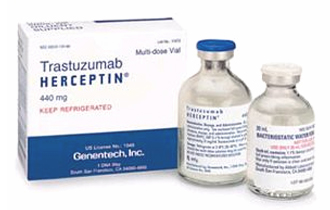 How big is the hope of breast cancer sufferers?
 Trastuzumab Overcomes Breast Cancer
 News from Breast Cancer Res and Treat 2001
 The new drug's name is AVASTIN
 Drug Revolution Named STI571
 Herceptin, what's so strange about it?
 Me and Tamoxifen
 The combination of Tamoxifen and Seroxat causes death