Up-Date/Most Recent

Showing posts with label Medication. Show all posts

Breast Cancer medication for bipolar disorder

By pointing to PKC as a target for new medications, the study raises the possibility of developing faster-acting therapys for the manic phase of the illness. Current medications for the manic phase generally take more than a week to begin working, and not everyone responds to them. Tamoxifen itself might not become a therapy of choice, though, because it also blocks estrogen the property that makes it useful as a therapy for breast cancer and because it may cause endometrial cancer if taken over long periods of time. Currently, tamoxifen is approved by the Food and Drug Administration for therapy of some kinds of cancer and infertility, for example. It was used experimentally in this study because it both blocks PKC and is able to enter the brain.

Results of the study were published online in the recent issue of Bipolar Disorders by Husseini K. Manji, MD, Carlos A. Zarate Jr., MD, and his colleagues.

Almost 6 million American adults have bipolar disorder, whose symptoms can be disabling. They include profound mood swings, from depression to vastly overblown excitement, energy, and elation, often accompanied by severe irritability. Children also can develop the illness.

During the manic phase of bipolar disorder, patients are in overdrive and may throw themselves intensely into harmful behaviors they might not otherwise engage in. They might indulge in risky pleasure-seeking behaviors with potentially serious health consequences, for example, or lavish spending sprees they cant afford. The symptoms sometimes are severe enough to require hospitalization.

People think of the depressive phase of this brain disorder as the time of risk, but the manic phase has its own dangers, said NIMH Director Thomas R. Insel, MD. Being able to treat the manic phase more quickly would be a great asset to patients, not just for restoring balance in mood, but also because it could help stop harmful behaviors before they start or get out of control.

The three-week study included eight patients who were given tamoxifen and eight who were given a placebo (a sugar pill); all were adults and all were having a manic episode at the time of the study. Neither the patients nor the scientists knew which of the substances the patients were getting.

By the end of the study, 63 percent of the patients taking tamoxifen had reduced manic symptoms, compared with only 13 percent of those taking a placebo. Patients taking tamoxifen responded by the fifth day which corresponds with the amount of time needed to build up enough tamoxifen in the brain to dampen PKC activity.

The scientists decided to test tamoxifens effects on the manic phase of bipolar disorder because standard medications used to treat this phase, specifically, are known to lower PKC activity but they do it through a roundabout biochemical route that takes time. Tamoxifen is known instead to block PKC directly. As the scientists suspected would happen, tamoxifens direct actions on PKC resulted in much faster relief of manic symptoms, compared with some of the standard medications available today.

We now have proof of principle. Our results show that targeting PKC directly, rather than through the trickle-down mechanisms of current medications, is a feasible strategy for developing faster-acting medications for mania, said Manji. This is a major step toward developing new kinds of medications".

Findings from another recent NIMH study strengthen the results. This prior study showed that the risk of developing bipolar disorder is influenced by a variation in a gene called DGKH. The gene makes a PKC-regulating protein known to be active in the biochemical pathway through which standard medications for bipolar disorder exert their effects another sign that PKC is a promising direct target at which to aim new medications for the illness.

Mania isnt just your average mood swing, where any of us might feel upbeat in response to something that happens. Its part of a brain disorder whose behavioral manifestations can severely undermine peoples jobs, relationships, and health, said Zarate. The sooner we can help patients get back on an even keel, the more we can help them avoid major disruptions to their lives and the lives of people around them.


Source: JoAnn


Breast cancer's medication review


Once you’ve been diagnosed with breast cancer, your doctor may prescribe a specific drug regimen. You may have chemotherapy, and you may take medication for years after you’ve finished treatment. Every person is different, so your treatment will be tailored to your needs. This lists common drugs prescribed for breast cancer with information on how to take the drugs, interactions with other medications and common side effects.

Abraxane IV 0 Adriamycin-Pfs IV 0 Aranesp Inj 0 Aredia IV 0 Arimidex Oral 0 Aromasin Oral 0 Cytoxan Oral 0 Epirubicin IV 0 Faslodex IM 0 Femara Oral 0 Gemzar IV 0 Herceptin IV 0 Lupron Inj 0 Neulasta SubQ 0 Neupogen Inj 0 Nolvadex Oral 0 Procrit Inj 0 Tamoxifen Oral 0 Taxol IV 0 Taxotere IV 0 Toremifene Oral 0 Vinorelbine IV 0 Xeloda Oral 0 Zoladex SubQ 0 Zometa IV

REMARKS
  • Aredia IV
    This medication is used to treat high blood calcium levels (hypercalcemia) that may occur with cancer. Pamidronate is also used to treat a certain type of bone disease (Paget's disease) and bone problems that may occur with certain cancers (breast cancer, multiple myeloma). Pamidronate belongs to a class of drugs known as bisphosphonates. It works by reducing the amount of calcium released from your bones into your blood.
  • Arimidex Oral
    This medication is used to treat breast cancer in women who have gone through "the change of life" (menopause). Anastrozole works by lowering estrogen hormone levels to help shrink tumors and slow their growth.
  • Aromasin Oral
    This medication is used to treat certain types of breast cancer (such as hormone-receptor-positive breast cancer) in women after menopause. Exemestane is also used to help prevent the cancer from returning. Some breast cancers are made to grow faster by a natural hormone called estrogen. Exemestane decreases the amount of estrogen the body makes and helps to slow or reverse the growth of these breast cancers.
  • Cytoxan Oral
    Cyclophosphamide is used to treat various types of cancer. It is a chemotherapy drug that works by slowing or stopping cell growth.
  • Epirubicin IV
    Epirubicin is used to treat breast cancer. It belongs to a class of drugs known as anthracyclines and works by slowing or stopping the growth of cancer cells.
  • Faslodex IM
    Fulvestrant is used to treat breast cancer that has spread to other areas of the body in women who have gone through "the change of life" (menopause). It is used in patients who have not responded well to other medications (e.g., tamoxifen). Breast cancer cells need the hormone estrogen in order to grow. Fulvestrant works by blocking the effect of estrogen, slowing tumor cell growth.
  • Femara Oral
    This medication is used to treat certain types of breast cancer (such as hormone-receptor-positive breast cancer) in women after menopause. Letrozole is also used to help prevent the cancer from returning. Some breast cancers are made to grow faster by a natural hormone called estrogen. Letrozole decreases the amount of estrogen the body makes and helps to slow or reverse the growth of these breast cancers.
  • Gemzar IV
    Gemcitabine is used alone or with other treatments/medications to treat certain types of cancer (including breast, lung, ovarian, pancreatic). It is a chemotherapy drug that works by slowing or stopping the growth of cancer cells.
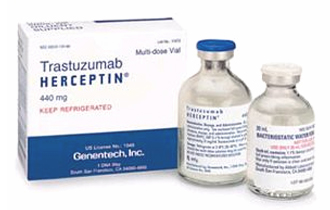
  • Herceptin IV
    Trastuzumab is used alone or with other medications to treat certain types of breast cancer (tumors that produce more than the normal amount of a certain substance called HER2 protein).
  • Lupron Inj
    Leuprolide is used to treat advanced prostate cancer in men. It is not a cure. Most types of prostate cancer need the male hormone testosterone to grow and spread. Leuprolide works by reducing the amount of testosterone that the body makes. This helps slow or stop the growth of cancer cells and helps relieve symptoms such as painful/difficult urination.
  • Neulasta SubQ
    Pegfilgrastim is a long-acting form of the drug, filgrastim. These drugs, called colony-stimulating factors, are used to help stimulate the bone marrow to make white blood cells in patients who are not able to produce enough white blood cells on their own.
  • Neupogen Inj
    This medication stimulates the blood system (bone marrow) to make white blood cells, helping you fight infections. This medication is given to those whose ability to make white blood cells has been reduced. Filgrastim (also known as G-CSF, or granulocyte colony stimulating factor) is a man-made version of a certain natural substance found in the body. It is produced using a certain bacteria.
  • Nolvadex Oral
    Tamoxifen is used to treat breast cancer that has spread to other parts of the body (metastatic breast cancer), to treat breast cancer in certain patients after surgery and radiation therapy, and to reduce the chances of breast cancer in high-risk patients.
  • Procrit Inj
    This medication is used to treat anemia (low red blood cell count) in people with long-term serious kidney disease (chronic renal failure), people receiving zidovudine to treat HIV, and people receiving chemotherapy for certain types of cancer (non-myeloid cancers). It may also be used in anemic patients to reduce the need for blood transfusions before certain planned surgeries that have a high risk of blood loss (usually combined with the "blood thinner" warfarin). Epoetin alfa helps to reverse anemia and improves your energy and activity level. It works by signaling the bone marrow to make more red blood cells. This medication is very similar to the natural substance in your body (erythropoietin) that prevents anemia.
  • Tamoxifen Oral
    Tamoxifen is used to treat breast cancer that has spread to other parts of the body (metastatic breast cancer), to treat breast cancer in certain patients after surgery and radiation therapy, and to reduce the chances of breast cancer in high-risk patients.
  • Taxol IV
    Paclitaxel is used to treat various types of cancer. It is a cancer chemotherapy drug that works by slowing or stopping cancer cell growth.
  • Taxotere IV
    This medication is used to treat certain types of cancer (e.g., breast, lung, and prostate cancer). Docetaxel is a member of a family of drugs called taxanes. This drug works by slowing cell growth.
  • Toremifene Oral
    Toremifene is used in postmenopausal women to treat breast cancer that has spread to other parts of the body (metastatic breast cancer). It is usually used to treat cancer that needs estrogen, a female hormone, in order to grow (estrogen-receptor positive). Toremifene is a nonsteroidal antiestrogen that blocks the effects of estrogen in the breast tissue, thereby slowing or stopping the growth of cancer.
  • Vinorelbine IV
    Vinorelbine is used to treat various types of cancer. It is a chemotherapy drug that works by slowing or stopping cancer cell growth.
  • Xeloda Oral
    Capecitabine is used alone or with other treatments/medications to treat certain types of cancer (e.g., of the breast, colon, rectum). It works by slowing or stopping cancer cell growth and by decreasing tumor size.
  • Zoladex SubQ
    Goserelin is used in men to treat prostate cancer. It is used in women to treat certain breast cancers or a certain uterus disorder (endometriosis). It is also used in women to thin the lining of the uterus (endometrium) in preparation for a procedure to treat abnormal uterine bleeding.
  • Zometa IV
    This medication is used to treat high blood calcium levels (hypercalcemia) that may occur with cancer. Zoledronic acid is also used to treat bone problems that may occur with a certain type of cancer (multiple myeloma) and other types of cancer. Zoledronic acid belongs to a class of drugs known as bisphosphonates. It works by reducing the amount of calcium released from your bones into your blood.


Farmacy/Medical Drug